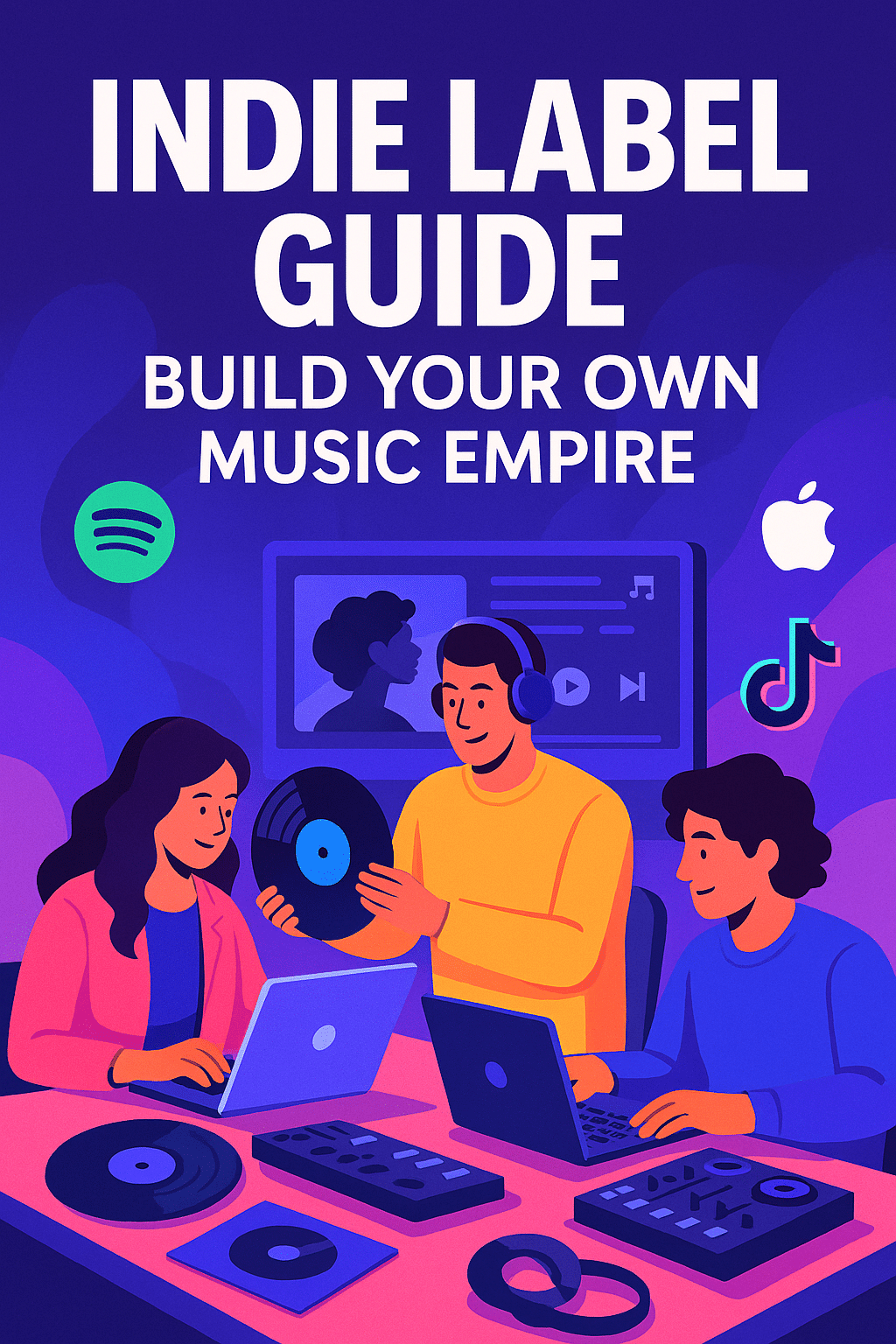
An Indie Label Guide in music is a roadmap that explains how to start, run, and grow an independent record label — a label that operates without the funding or control of a major music corporation.
If you’re planning to launch your own indie label or work with one, this guide breaks down the essential steps, tools, roles, and revenue systems you’ll need.
🎙️ INDIE LABEL GUIDE IN MUSIC
🎯 What Is an Indie Label?
An independent (indie) label is a music company that:
- Signs and supports artists without major label backing
- Often operates with a small team or solo founder
- Uses digital distribution and online tools to manage releases
- Focuses on artist development, niche genres, or cultural identity
- Retains more creative and financial flexibility
🧭 How to Build and Run an Indie Label: Step-by-Step
✅ 1. Define Your Vision
- What genre(s) do you focus on?
- What makes your label different? (values, region, style)
- Are you artist-first, digital-first, or culture-first?
Example: A Vietnamese indie label focused on lo-fi, neo-soul, and bilingual artists.
🧾 2. Register Your Business
- Choose a label name and secure your domain + social handles
- Form a legal business entity (LLC, sole proprietorship, etc.)
- Open a label bank account and get a tax ID
💿 3. Set Up Music Distribution
Use a digital distributor to get your releases onto DSPs (Spotify, Apple Music, TikTok, etc.)
Recommended:
- Allot Lines (artist-friendly, publishing support)
- DistroKid (label plans)
- TuneCore, CD Baby, Amuse
- For more advanced labels: Symphonic, The Orchard
They’ll assign ISRC codes and send music to 100+ platforms.
📝 4. Create Artist Agreements
Draft simple but clear contracts covering:
- Royalty split (e.g., 80/20)
- Ownership of masters
- Duration of deal
- Deliverables and expectations
- Exit terms
Tip: Use a music lawyer or contract template to protect both sides.
💰 5. Set Up Royalty & Publishing Systems
Make sure your label collects all revenue:
Register with:
- PROs (ASCAP, BMI, VCPMC) for performance royalties
- Publishing admins (Songtrust, Allot Lines) for global mechanical royalties
- Neighboring rights orgs for broadcast and live royalties
- YouTube Content ID (via Allot Lines)
Track royalties and pay artists fairly.
📢 6. Develop & Release Artists
Each release should have a strategy:
- Pre-save + SmartLink
- Promo content calendar
- Playlist pitching
- Ads (optional)
- Press/blog outreach
Build art direction, storytelling, and campaign planning into each release.
🎨 7. Build Your Label Identity
- Design a logo and brand visuals
- Use a central website or Linktree
- Highlight your artists, values, and past releases
- Launch label compilation projects or theme nights
📊 8. Use Data and Analytics
Track growth using:
- Spotify for Artists / Chartmetric / Soundcharts
- Distributors’ dashboards (e.g. Allot Lines)
- YouTube and social analytics
Use data to refine your strategies and artist development.
🧠 9. Grow Smart, Stay Indie
As you grow, scale with purpose:
- Focus on artist careers, not just streams
- Build partnerships (with studios, blogs, collectives)
- Stay transparent, ethical, and community-driven
You don’t need to go “major” to go global.
🧰 Indie Label Toolkit (2025)
| Need | Tool |
|---|---|
| Distribution | Allot Lines |
| Publishing Royalties | Songtrust, VCPMC |
| Contracts | Indie contract templates, music lawyer |
| Pre-save Links | SmartURL, Hypeddit, Allot Lines |
| Analytics | Chartmetric, Spotify for Artists |
| Branding | Canva, Adobe Express |
🏁 Final Tips:
- Focus on long-term artist careers, not viral moments
- Keep ownership and transparency at your core
- Think like a label, act like a creative agency